Christmas in Portugal feels like something out of a storybook—and I say that as someone who's lived through multiple Portuguese Decembers now.
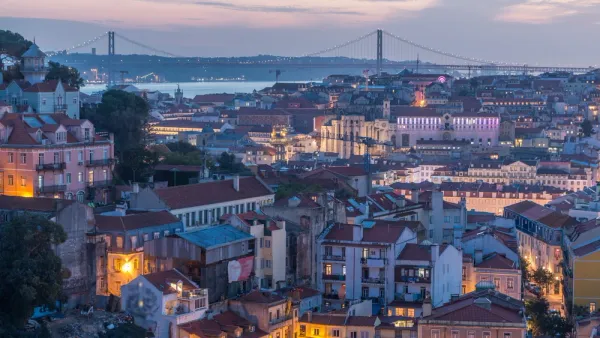
The whole season kicks off for me with Lisbon's tree lighting ceremony, which sounds small but isn't. Because when that tree lights up, so does the entire city. And Lisbon does not mess around when it comes to Christmas decorations. I'm talking every street having its own unique light display—some streets go for elegant white lights, others get playful with colored patterns, and a few neighborhoods really commit to full-on Christmas chaos in the best way possible.
It becomes this unspoken excuse to take long walks at night, street by street, admiring what each neighborhood decided to do this year. And of course, there's always a chestnut cart nearby, so you're walking around with warm chestnuts in a paper cone, which somehow makes the whole thing feel even more magical.
If you're an American thinking about moving to Portugal—or even just curious what the holidays might feel like here—this is one of those seasons that really shows you what Portuguese culture is about.
The Big Difference You'll Notice Right Away
Christmas here is quieter. Less frantic. More meaningful.
There's no Black Friday stampede (well, they're starting to import it, but it doesn't have the same intensity). There's no overwhelming pressure to buy the perfect gift or create some Instagram-worthy holiday aesthetic. Portuguese Christmas is centered around family, faith, tradition, and food. Always food.
The cities are festive and beautiful—lights everywhere, music playing in cafés, markets selling handicrafts—but there's this peaceful undercurrent to it all. People actually seem to be enjoying themselves rather than racing through a checklist.
Nativity Scenes Are Everywhere (And I Mean Everywhere)
Portugal is obsessed with nativity scenes. They call them presépios, and they're not just the little figurine sets you might remember from church as a kid. I'm talking massive village-wide installations, intricate handmade displays in public squares, and of course the ones tucked into every church and home.
Some towns—like Óbidos, Penela, and various spots in the Algarve—actually compete to have the most elaborate display. It's charming in a way that feels very Portuguese: not showy, just deeply traditional and community-oriented.
The first year I lived here, I didn't quite get it. Now I find myself walking out of my way to see certain displays every December.
Christmas Eve Is the Main Event
Here's something Americans don't always expect: the big Christmas meal happens on Christmas Eve, not Christmas Day.
It's called Consoada, and it's traditionally a humble, simple dinner. Most families eat bacalhau com todos—salted cod with boiled potatoes, cabbage, chickpeas, and hard-boiled eggs. Some regions do octopus instead, especially up north in Minho.
Honestly, the first time someone told me Christmas dinner was going to be salted cod, I wasn't sure what to think. But there's something about the simplicity of it that grows on you. It's not trying to be fancy. It's just... Portuguese.
After dinner, many families go to Missa do Galo—Midnight Mass, literally called "Rooster's Mass." If you live in a neighborhood with older Portuguese families, you'll notice the streets emptying around 11:30 PM as people walk to church together.
Kids usually open presents either at midnight or early Christmas morning. There's no frantic 6 AM wrapping paper explosion like you might remember from childhood in the U.S.
Christmas Day Is Surprisingly Relaxed
December 25th is quiet here. Really quiet.
Families visit each other, eat leftovers, take long walks. Shops are closed. Even the usual buzz of Lisbon or Porto feels muted. It's less about doing and more about just being together.
This was one of the hardest adjustments for me at first—not having that American-style "big production" on December 25th. But now? I kind of love it. It feels restful in a way American holidays rarely do.
The Food Situation (For Better or Worse)
If you're expecting turkey, mashed potatoes, and green bean casserole... you're going to have to make that yourself.
Portuguese Christmas food is traditional, regional, and very specific:
Bacalhau (salted cod) is king. It's everywhere. If you don't like it yet, you will eventually—or you'll become the one American in your building who makes ham.
Polvo (octopus) shows up a lot, especially roasted. Certain regions prefer it over cod.
Cabrito or borrego (roast goat or lamb) appears more on December 25th, but it's not universal.
Rabanadas are basically Portuguese French toast soaked in syrup and cinnamon. Delicious. Dangerously delicious.
Then there are all these fried pastries—filhós, sonhos, azevias—plus honeyed cookies called broas. Every family has their version, and yes, people will insist theirs is the best.
And then there's Bolo Rei and Bolo Rainha—the King's Cake and Queen's Cake.
Bolo Rei is the famous one, covered in candied fruit and looking very festive. Bolo Rainha is filled with nuts, less sweet, and honestly, most expats I know prefer it. I'm in that camp too.
You'll Smell Roasted Chestnuts Before You See the Cart
That's just how it works here. The smoke drifts up from these little street setups throughout December, and honestly, buying a warm paper cone of chestnuts while walking around looking at Christmas lights is one of those small things that makes you feel like you actually live here—not just visiting.
Chestnuts are a big part of Portuguese winter tradition, especially around São Martinho in November, and they carry straight through Christmas. If you've never had roasted chestnuts from a street cart, put it on your list.
Christmas Markets (But Make Them Portuguese)
Portugal has Christmas markets now, but they're more charming and less overwhelming than a lot of American or German-style markets.
Some worth checking out:
Óbidos Vila Natal feels like walking into a storybook. The whole medieval village gets transformed.
Cascais Christmas Village is family-friendly and beautifully lit.
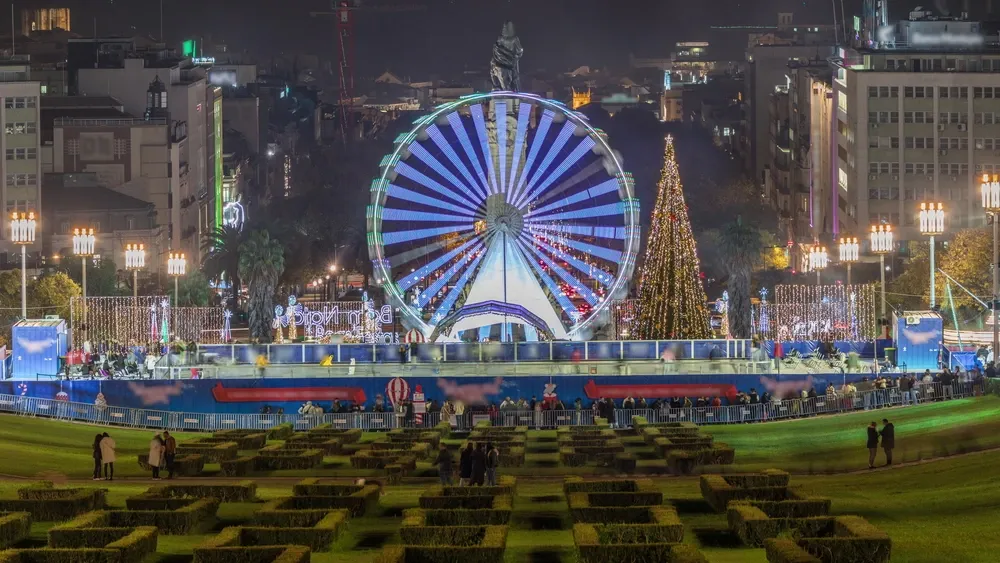
Wonderland Lisboa has an ice rink and ferris wheel setup near Parque Eduardo VII.
Porto's market along Avenida dos Aliados is stunning with the city as a backdrop.
Each one has live music, food stalls, handicrafts, and plenty of warm drinks. They're festive without being chaotic.
New Year's Eve Has Its Own Traditions
Portuguese New Year's involves:
- Eating 12 raisins at midnight (one for each month, each one a wish)
- Wearing blue or red underwear for good luck (blue seems more popular)
- Fireworks in every major city
- Brave people doing ocean dips on January 1st
After the intensity of American holiday seasons, the way Portugal flows from Christmas into New Year feels gentler. Less pressure, more genuine celebration.
What Americans Notice Most
After talking to dozens of Americans who've spent Christmas here—clients, friends, people I've helped relocate—these are the things that stand out:
Everything really closes. Shops, restaurants, even some metro lines. Christmas Eve and Christmas Day, the country basically shuts down. Plan accordingly.
The pace slows way down. People actually rest. This might be the biggest culture shock for Americans used to "doing" every minute of the holidays.
It's less commercial, more meaningful. You're not bombarded with ads or sale countdowns. The focus is genuinely on family and tradition.
You feel part of the community quickly. Neighbors greet each other more during this season. Families invite newcomers to join them. There's a warmth here that surprises people.
The food is traditional, not extravagant. You won't find elaborate multi-course feasts unless someone's going out of their way. It's simpler, humbler, and somehow more satisfying.
What Christmas Reveals About Portuguese Culture
If you're thinking about moving to Portugal, pay attention to how the holidays work here. It reveals a lot about the culture you'd be joining:
Family comes before consumerism. Time matters more than money. Tradition trumps trends. Food is central to everything. Community beats individualism.
These aren't just holiday values—they're year-round Portuguese values.
When Americans tell me they're considering buying property here, I always ask if they've experienced Portugal in December. Not because the weather is great (it's actually pretty rainy), but because Christmas shows you what living here actually feels like when the tourist crowds are gone.
If You're Thinking About Making This Your Christmas Someday
I've worked with a lot of Americans who came here for the holidays and thought, "Wait. We could actually live here."
That's usually when the questions start:
Where should we actually live? How do visas work? What's it like year-round? Is it safe? Can we really buy a home in Lisbon, Cascais, Oeiras, Sintra?
The honest answer is: yes, you probably can. But it helps to have someone who's already gone through it, knows the neighborhoods, understands the real estate market, and can help you think through what kind of Portuguese life you're actually after.
If you're imagining future Christmases walking through Alfama with roasted chestnuts, or hosting your own Consoada in a Portuguese home, let's talk about what that might look like. I help Americans relocate here—not just with paperwork and property, but with actually settling into the right community and lifestyle.
Because Christmas in Portugal isn't just pretty lights and good food. It's a glimpse into a completely different way of living. And once you've experienced it, it's hard not to want more.
Contact Us:
Email: info@PortugalDreamRealEstate.com

WhatsApp or Phone: +351 916 674 780
We genuinely look forward to helping you find the perfect place to call home in Portugal.